A rock-solid knowledge…

This week’s post will be of a more philosophical nature. I’m guessing that those of you reading this are somewhat older, and have you asked yourself the question – are you happier now than before? My first thought was, no, I’m probably happier now. But then I had to marinate the thought, I concluded that that’s probably not true. The answer is probably that you are happy in different ways in the past and now. In the past, you could be unbridled, happy for a specific thing, while today you are happier in a more relaxed way. Also, for completely different things and that somewhere on the horizon you can see that you will someday disappear…Ok, so where does this conclusion or reflection lead? Well, everything has its time (Sv. Var sak har sin tid). When it comes to mountain sports or mountain experiences, it fits well. When I was younger the experience was more of a limitless naive character, than today. And honest sometimes I can miss the “loose” feeling from then. Back to the core -everything has its time, can be used from a short and for a long period of time.

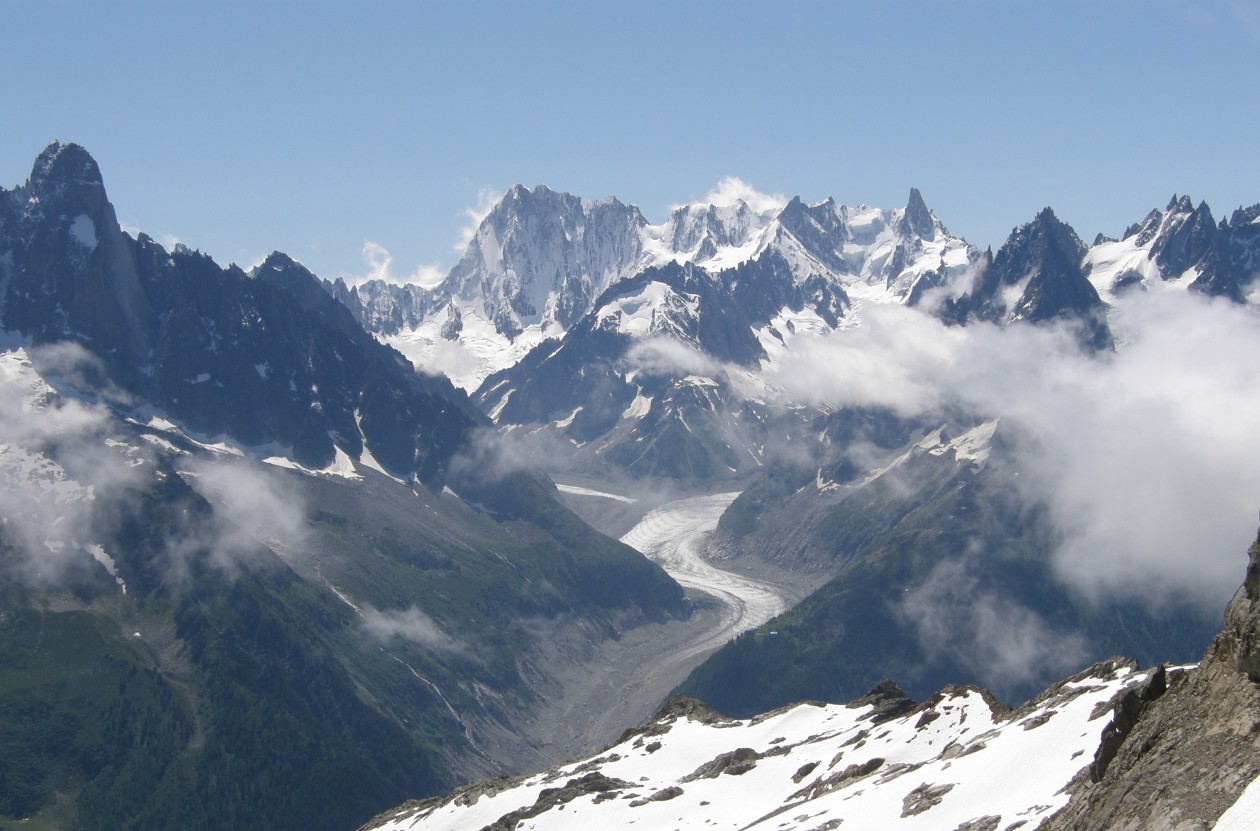
In the short perspective, is it highly relevant with scope for mountain cycles, safety and equipment selection and physical adaptation. In practical terms, this means an understanding and respect for which activities you do when. It means understanding that mountain conditions are dynamic, meaning that an activity is perfect at a certain time and less safe at another…In the short perspective it means that choosing the right activity at the right time (and due to the environment situation this become more and more important) This means also to consider the local situation such as reindeer season etc. From a weather point of view, then the motto also comes to its own, waiting out the storm, realizing when the avalanche danger is too high or choosing the right time for a summit trip when the conditions are at their best…The short perspective also includes physical and mental preparedness. The understanding of those different kinds of activities has different kinds of impact, and the body needs to adapt, the pace variations – tough approaches and recovery in a cabin. And respect for nature and locals etc.

In short, the concept encompasses rock-solid knowledge that natural conditions govern human actions, rather than the other way around.

So, from a long-term perspective then? Arne Naess got his own description of this: “living silence, when he took the time to listen”. Næss believes that the simplicity and hardships that nature gives us restore our self-confidence. Then we can also let our feelings out.

“Feelings are guides if we dare to listen to them. Feelings are connected to our deepest values,”

Everything wasn’t better before, but maybe it was good then…

Hm. But from “everything has its time” for the moment, what does it mean? It’s basically about a humble mindset: not forcing an experience but waiting for the right conditions to get the most out of the mountains and from a sustainable perspective. And I will also add of try to have a bit of the naive limitless view…

My own observation is that we are slowly but surely moving towards a calmer pace, where the experience is and becomes the important thing in the activity/challenge rather than getting as much done as possible in a short time. A mindset with a ”go slow with the flow”. And the best adventures are the ones that actually happens and not the ones where you reached the summit…

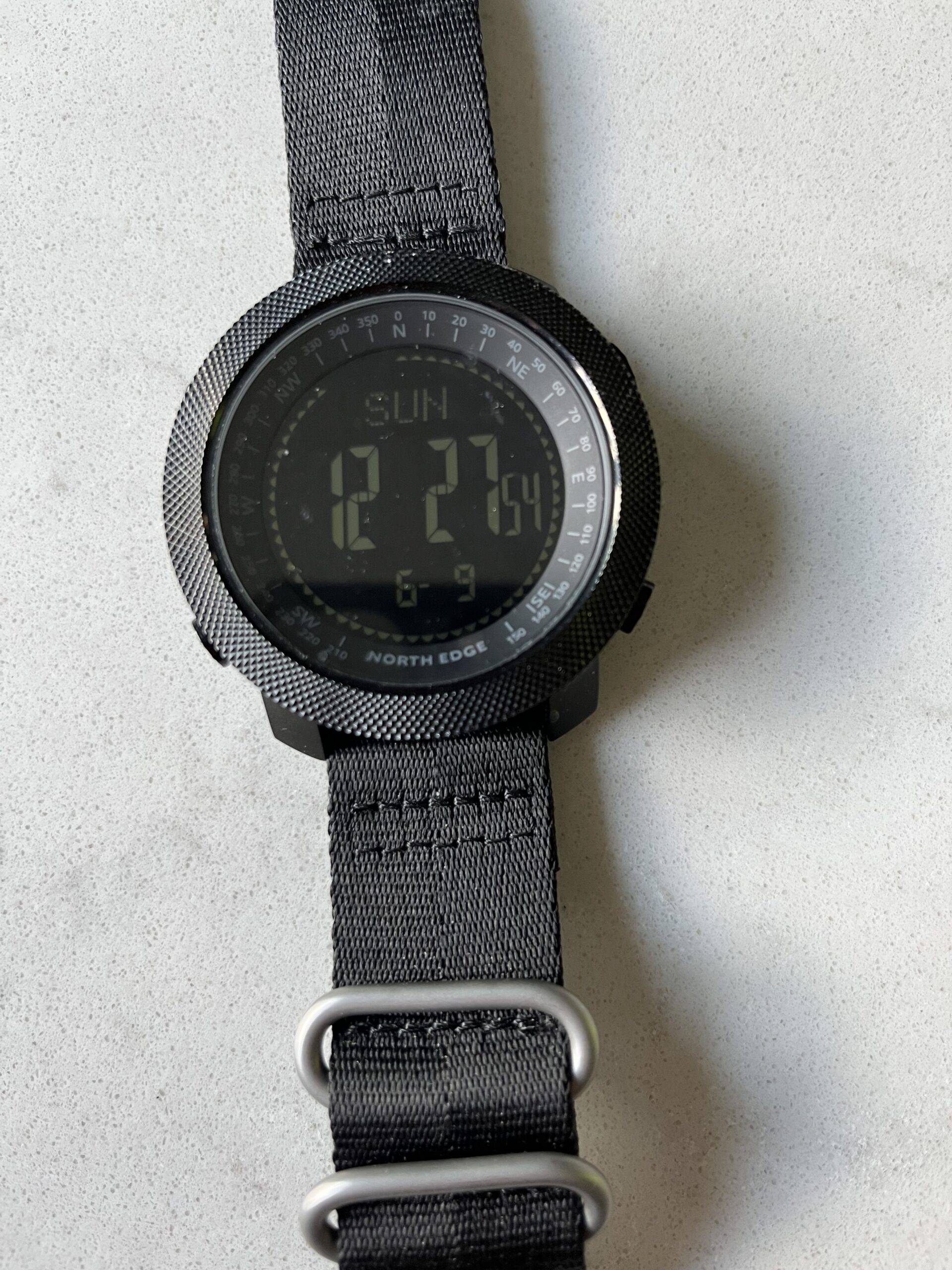
Everything wasn’t better before that is obvious, for example when it comes to stoves. The compact gas-stove it is much easier and lighter then the Trangia stove I use to used in the past. This one you can store with the gas can connected  inside the stove – which means you can start it immediately when you wake up in the morning for example. It boils 0.5L cold water within 3 minutes which is good.  So a stove for 1-2 persons, this is a real good solution (NNNN+)

DT James & Kimbo – Voices (Lyrics)

See ya soon…


A nice hike…

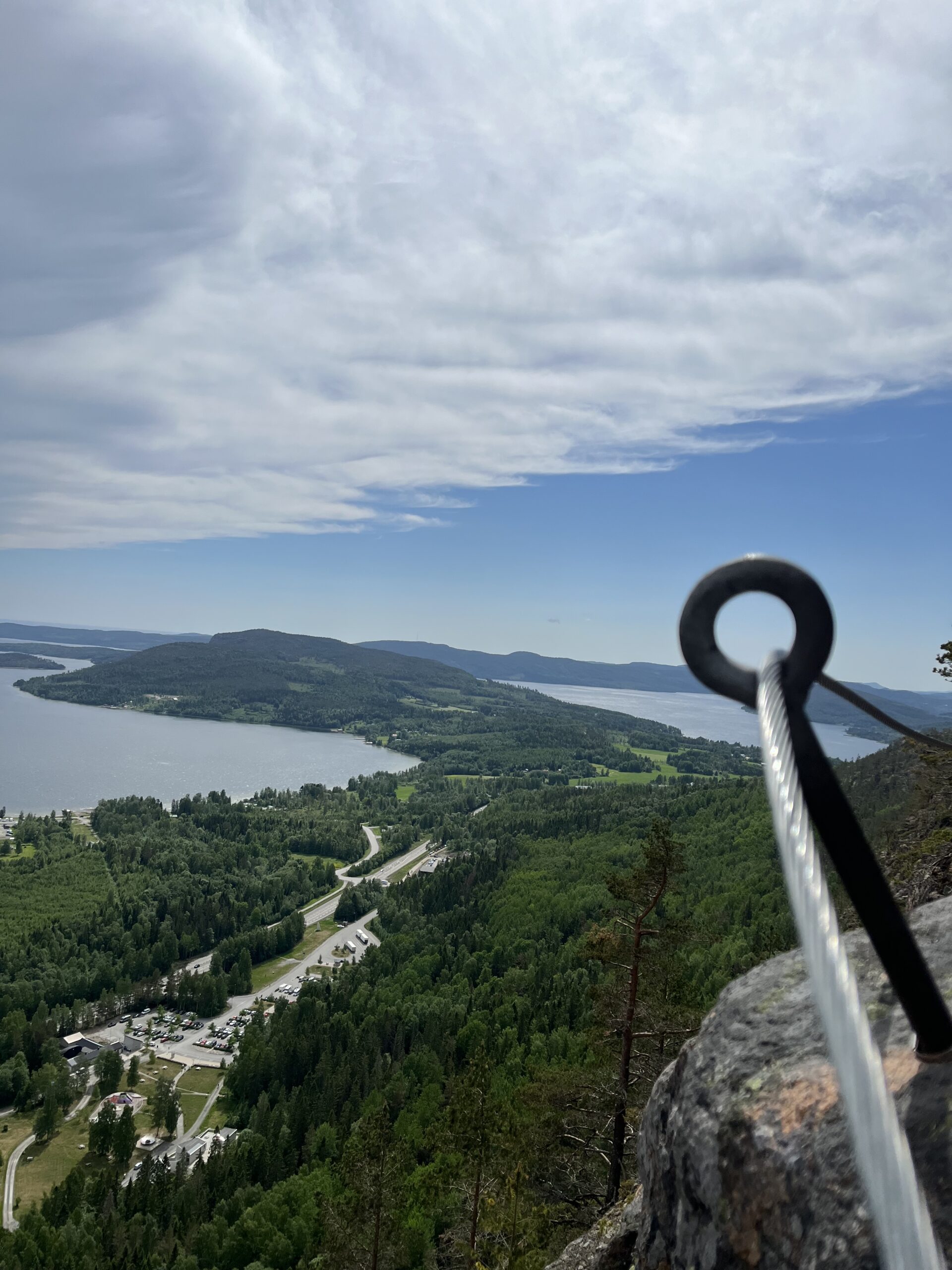
( the view  over the light house Högbonden)

It is spring, and a lot of upcoming adventures. But the period between spring winter and spring is a bit of ”off-season” and that means perfect for planning the upcoming mountain challenges. The spring will come faster at the coast, so here you will get a nice suggestion…

Today it will be about a trail, that is really nice. The High Coast trail. The trail is 135km long and begins at Hornöberget in the south and end up at Örnsköldsvik in the north. The trail is splitted up into nine stages. Most of it follows the coastline, but it passes through virgin forest and archipelago. You got a lot a options for getting as much out of your hike here, or what about calotte mountains, deep woods, mountain views and gravel field for mention some. At times you will find yourself 250 meters above the coastline. The advantage with this trail is that there are good opportunities for sleeping indoors and buying necessities. But I strongly recommend bringing tent and supplies to be the free hiker. If you go the whole trail, you need 9-11 days. The stages are about 15-25,5km, and it will take between 5-10 hours each day.

All the stages are very nice, but I will recommend a suggestion of a combination of stage 8 and 9. So you start from Köpmanholmen-Hålviken and hike towards Balesudden and continue to the wind shelter at Bodviken. Here you either sleep in the wind shelter or in a tent or why not in a tarp? The next day you return to the starting point. In Köpmanholmen I can recommend a visit at Forss brewery. The High Coast trail is a really Pandoras box, every stage got its own treasures. So todays suggestion is just a small piece of that…It is a lot of different sort of accommodations, but with tent you will be the free hiker.

When it comes to stoves, I really like my JetBoil. But the upcoming week I will try the Primus Lite XL Stove system II 1.0. So why, when I got the first choice? Well, this one is for use of 1-3 persons. Which can be good…The weight is just 445g 1.0 Litre and the effect is 1700w

R.L. Burnside – It’s Bad You Know (Official Audio)

See ya soon…

It will work out – otherwise it doesn’t matter…

Dâ ordner säj annars kvetter dâ, this is a saying from Värmland where I come from. And its something that has impressed me. Todays reflection will be both soft and hard. This might be things you will reflect of when the best before date has passed:-). Sometimes we are worried about things in the future, but to be honest: that is quite unnecessarily. Becoming stressed and worried about something that never happened. It is here the quote will be relevant; I will work out – Otherwise it doesn’t matter:-). Another thing I’ve been reflecting over is effectiveness or ability of got time for a lot of different activities. It will be like a self-playing piano. If you do a lot of thing, you got energy and it give you effectiveness (but just as long as it gives you energy) So surrender yourself with people and assignment/activity that will give you just this. And the mountains will for sure give you energy, so be there…

The InReach from Garmin is a good safety solution. But does it work? Well, here comes some evidence: More then 3000 alarm was initiated during 2025. The statistics show that medical issues such as altitude illness, heart discase increases every year. 12% of the issues will be handled by the owner of the InReach by them selves. Hiking and backpacking is the biggest area of support from SOS perspective. Climbing/mountaineering has an increasing trend. The three biggest area of support is injury followed by vehicle issue and medical issues. So summing up – yes the InReach is a good safety solution (among other brand as well…)

At the moment I am planning for a upcoming seminar for upgrading Se Mountain Leaders to 2.0 among other training that will be held during the spring. And also planning upcoming adventures…

Out of Time – Urban Night Reggae | Cinematic AI Music Video 🌙🎷

See ya soon…


A milestone for the mountain Safety.

Today it was annual meeting for the Mountain Safety Council. One of the items of the agenda was the decision of approving the new  Mountain Leader Norm. The decision was made unanimously, which means that the current standard from the beginning of 2000 has been upgraded. It may seem like a small event, but it represents a clear development and improvement with the new one. A receipt that all the work put in was worth the effort and time. So from today the new badge with the norm will be approved to wear. 

The spring is on the move, and I like it. I still got some winter adventure to take care of, but the mind I’m already in spring/summer planning mode. It feels in the whole body when the temperature and the winds become warmer. So what is the most important discover I will bring with me from this winter – it will be the Atomic habits, the small the micro adventures. sitting in the car from Åsarna down to Hamra national park early in the morning, almost just me on the road. And complete alone in the National Park so quiet, so free so wonderful. 

So over to gear, I cant help it but I am a vest addict. I use it a lot as a middle layer. The Ortovox Swisswool Piz ski touring vest, will be my next gear to review.

The Ortovox Swisswool Piz Boe Men’s Touring Vest offers everything for demanding ski tourers. With its moisture-regulating 60 g/m² Swisswool fill, the vest impresses on cold touring days with an ideal weight-to-insulation ratio, while the robust PERTEX® QUANTUM outer material reliably protects against wind and moisture. The elastic MERINO AIRSOLATION stretch inserts on the sides and back are characterized by their high breathability and ensure optimal freedom of movement in challenging terrain with the summit in sight.

And I have also reviewed the Lundhags Abisku Hybrid pant. Designed for winter touring, the Abisku Hybrid Bib Pant combines durable and long-lasting materials that provide reliable protection against harsh weather conditions. Water-resistant fabrics in exposed areas also contain stretch for increased freedom of movement. The pants have spacious lower pockets, multiple ventilation options to regulate airflow, and a powder skirt for maximum protection. This one I really like, perfect for long ski touring adventures. Big pockets etc. (NNNNN)

El Paso Del Gigante

See ya soon…


Winter Training…

This week I’ve been instructor at the IML Winter Training. It really is a fantastic opportunity to be instructor at such training. You learn by being forced to update your skills, to listen to and see colleagues and also learn a lot from the participants. As always it is a lot to training that need to be done on a limited time – and ad the factor of weather and other circumstances that will effect the planning. However, the result was really good from my point of view. In-depth expertise in ropes and knots, how to use a ice axe in a efficient way. Improved and developed capability with avalanche transceiver and probe. Digging technique among leadership and safety planning etc. And also a miniexpedition in the Oviks mountain area, this with developed skill in digging a snow cave. Navigation and handle a group in winter condition.

I have also tested the Lundhags Makke pro hybrid jacket. Honest I am not a fan of hybrid solution, but this one was a really nice experience. Very well ventilated areas, and with layer at the place where you get wet. Windproof in a good way as well. So it will be a (NNNNN)

Compass is a vital equipment to bring, with a higher age and with poor eyesight, it can easily become a challenge to find it on the map. But Silvas Spike Jet Zoom, can be a solution. This is a compass with a larger magnifying glass. This might help us aldermen out…

This week suggestion of book will be ”Dead Mountain” of Donnie Eichar. This is not a new book, but very interesting. It is about the Dyatlov expedition. ”The untold true story of the Dyatlov pass incident” The author has been trough all the Russian document on his way to an explanation of the incident. I can recommend it if this tickles your curiosity….

Echo and Flow – Desert Reggae Ritual | Cinematic Sci-Fi Music Video

See ya soon…

When dreams are born in winter light.

We are still at the beginning of the year, and now it’s the time for planning the upcoming adventure year. And the most important thing is not the big adventures, it’s the once that will be done.

We have all been there. A slight feeling of anxiety mixed with anticipation, hesitation and slight stress. The first step is the hardest, but when you have overcome the first obstacle the feeling of  success and self confidence will be there. I was having a participant in one of my groups who never been at high altitude. two days before we was going for the adventure, his wife call me. She let me know that her husband who was coming on the tour was afraid of heights. Two days before! I got this message…But we started in a calm and measured pace. We built on the difficulties step by step, and he was soon up to 3600m. I asked him if he felt anything special? The answer was straight and honest -I feel like a alpinist. Courage in the mountains we imagine someone who is fearless, strong and confident, someone who just ”drives”. In reality, courage often looks like this: Hesitation. Coffee drunk a little too quickly. A backpack repacked three times. A voice that says, “What if I can’t do it?” Courage is not the absence of fear. Courage is tying your boots anyway.

Most people who come to the mountains are not looking for achievement. They are not looking for altitude, statistics or any kind of record. They are looking for: – a break – a calm breath – proof that they still dare – a place where their thoughts can be quiet – a feeling of: “I can do more than I think.”

And often that journey begins long before the first step. It begins at home at the kitchen table. With doubt…

While thinking of your next journey – adventure, I can tell you I had a tremendous weekend in the Swedish archipelago, in Oxelösund. 

Luna Orbit · Master Produções Remix • All Around Me

So what will be your challenges? Maybe a growth mindset…

See ya soon…


Almost like an alpine start, but still not…

This weekend I was in Bydalen, and reconnoitered for the guide training. It was cold and also a strong wind, so I had to adapt my trip accordingly. With a strong wind already when I got out of the car in the parking lot at Gräftåvallen, I realized that giving up on the bare mountain was unfortunately not an idea. I had to think again and so I went to Bydalen and Fjällhalsen instead…At Fjällhalsen it was a bit better and I got the opportunity to take a tour and check the training terrain and training site. So the work was done and I was happy…

This morning I woke up early, almost like an alpine start but still not. 0500 is early but not a real alpine start. The target of the day was to visit the National Park of Hamra, This mythical place rich in bears. This is a low-key park, but fantastic. I was complete own with the nature. The nature reminds about the pre-mountain forest but still not. open marshes but low-growing snow-laden pines, sometimes the forest was so dense like I thought it was a wall of some kind. In the area you might see bear, lynx and even wolves. If the mountains are the place where you measure yourself against the weather and the vastness, Hamra is the place where you measure yourself against patience, attention and silence. Here you can see my route: In this area at winter season you need to have good navigation skills. There are no winter mark of any kind so you need to read the map…

I have also done a review of the Raptor snowshoe, this is a snowshoe for short and simple tours. For that purpose they are perfect. Since it isn’t got any grooves, and no heel raiser I would not bring them to a steep mountain environment. But as it says perfect for easy adventures the perfect choice. (++++) Due to that it is specified for just easy tours…

Sly Dunbar & Robbie Shakespeare – Zion In Dub – YouTube

See ya soon

The difference between courage and foolishness in the mountains…

It is quite easy to praise courage in the mountains. To move forward despite the challenges such as the cold,  to continue despite the weather. To not give up when the going gets tough… But in the mountains there is a line where courage slowly slips in to something else-foolishness. And that line is rarely clear in the moment. I think you can recognize the feeling or a situation?! Courage is not about It’s pushing boundaries, no, in a mountain environment it’s more about taking responsibility…Unfortunately, courage in the mountains is not about defying nature. It’s about meeting it with respect. An experienced mountain hiker or mountain leader knows that courage often looks quite undramatic, its more of: to say no when the group wants more. Or turn around even though the top is near. To take decision that no one will applaud. Here the courage will be to take responsibility for the consequence rather then the experience. Stupidity often feels reasonable in the moment The dangerous thing about stupidity is that it rarely feels stupid when it happens. Quite the opposite. It often dresses up in rational arguments: ”we are almost there”, ”the weather is good enough”, ”we got all the right equipment” , We manage worse before”. In hindsight, it’s easy to see the risks. In the moment, they’re often dampened by ambition, adrenaline, or peer pressure. The crucial difference: what drives the decision? Am I making this decision because it is wise – or because I want to? So from that point of view-What drives the courage? The Judgment-experience-responsibility for others-long-term thinking. (three-step thinking)?! Boldness is often driven by prestige, fear of appearing weak, goal fixation, past success. Having survived risky situations in the past is not proof of good decisions – sometimes it’s just luck. Experience is not immunity m any accidents in the mountains do not occur among beginners, but among experienced ones. Not because they lack knowledge – but because they rely too much on it.  Experience can create: overconfidence in one’s own abilities, normalization of risk a feeling that ”I can fix this ”Professional judgment is therefore not about always going further, but about knowing when to slow yourself down.

When courage really means turning around. Turning around in the mountains is rarely a failure, it is often a sign of maturity. The best decisions are often those that: are not visible on social media, do not give a dramatic story, do not give maximum dividends here and now But they make you come home – and can go out again next time.

A final reflection:
The mountains don’t care about our goals, plans or ambitions. They only react to our actions. The difference between courage and foolishness therefore lies not in how far we go, how cold it is or how steep the slope – but in how we make our decisions when it starts to cost something to be wise.

Love the mountains and they will love back, but take care – Judgement is crucial in the environment…
See ya soon

Blog 890 – Risk appetite in the mountains – Why some go to far…

The day started with a speed hike to a wind shelter were I enjoyed a cup of coffee and a cinnamon bun in the light of the bonfire. I looked out on the ice and stared to reflect over the topic of risk within the mountain environment and mountain activities. So that will be the topic of my 890th blog.

So to start with, let’s take a look at what causes risks to arise in mountain environments. So it all start with – You the human. We will take risks in the mountains in a combination of the pursuit of adventure and close-to-nature experiences, but also by underestimating the rapidly changing and demanding nature of the mountains. This in combination with lack of experience and/or knowledge of the area you are in.  This is why it is so important to understand how risks arise. Here you can see  the wind Chill effect, the red line show where to be attentive.

The weather report at the morning inform you that the wind will increasing during the day, and it will be cloudy. As you have a booking at a hut, and the weather is fine right now, you decide to head for the cabin. After just a hour the wind start to increase and rapidly. What to do now? Question one – how far is it to the hut? What direction does the wind got? How cold is it, does the wind chill effect will cause me trouble? Can you recognize the situation? Here´s the difference between a experienced mountain person and a less experienced one. This questions above has a experienced mountaineerer already planned for. The keys here will be the knowledge/experience and the planning. The next key will be the ”know how” and understand the equipment to bring, related to the activity you are going to do. So having the right clothing, spare equipment and safety equipment. The fourth key will be the common sense. The risks range from weather changes and avalanches to getting lost, and understanding these factors is central to mountain safety, that is what common sense is all about.

So how to conclude todays blog? There are four major key to take into consideration due to risk; Knowledge, planning, equipment and common sense. Extreme weather-unfamiliarity and stress, terrain and wrong equipment in combination with lack of knowledge are factors that increase risk levels.

Listen and enjoy this….

Moonica Mac – Dalarna – Idrottsgalan 2022

See ya soon…


The winter cathedral…

Early in the morning, just put my boots on and started todays speed hike. The feeling with all the snow on the trees, was a feeling of hiking in a cathedral. The compact silence from the snow, and the light from the headlamp reinforced the feeling of being in a vault. So we are almost in mid January, and it feels good, a lot of nice activities ahead. This week I was participant on a training for upgrading to Mountain Leader 2.0 so that is now done:-).

When it comes to cord, have you experience it easily become a mess? You want to have it easily in order and accessible…So here you got a way to handle it:

So from my side I like to have it on the backpack. So if you feel comfortable with that you will have a suggestion her. Start with a end knot of the cord. Place at the backpack strap, and make a loop.

Start at the bottom and go around the strap and over the loop and back. Pull the cord and simply repeat. Make a small loop in the end of the cord and put it into the loop you got at the top.

Now you pull the end knot in the bottom, and ”lock” the cord.

And now you got a cord that is easy to get fast when needed and in order and not as a cord salad… You just pull in the end knot at all of sudden the cord is out and ”free”.

Johnny Trouble feat. Memphis Mae | Summer Wine

See ya soon…

Din väg till äventyret…